
On this page · 9 sections
Where should you hang a key holder at home?
Hang the key holder on an inside wall next to the main door, about 5 feet from the floor, where it cannot be seen or reached from outside. For key holder Vastu direction, tradition commonly suggests the north or east wall near the entrance and advises against keeping keys in the pooja room.
This post has two parts. The first is practical: convenience and safety. The second covers what Vastu tradition says. Vastu is a traditional belief system, so treat those points as custom and follow them if they matter to your family.
What is the best practical spot for a key holder?
The best spot is the wall on the latch side of the main door, inside the house, within one or two steps of the door. You hang the keys as you walk in and pick them up as you walk out, without crossing the room.
- Within arm's reach of the door, but not hidden behind the door when it is open.
- Not visible to someone standing outside the open door.
- At least 3 feet away from any window or grill, so keys cannot be hooked out from outside.
- Not directly above a switchboard, where hanging keys will knock against the switches.
- Away from wash basins, kitchen steam and damp walls, more so for MDF holders.
- In good light, so you can find the right bunch at night.
How high should a key holder be hung?
Hang it so the hooks are about 5 feet from the floor, which is near eye level for most adults. Go a few inches lower if elderly or shorter family members use it most. Go a little higher, around 5.5 feet, if you have toddlers at home and vehicle keys on the holder. Leave about 6 inches of clear wall below, so the keys hang freely.
What does Vastu say about key holder direction?
Vastu tradition commonly suggests keeping keys on the north or east side of the home, near the entrance. Different Vastu practitioners give different advice, so you will come across other views too. These are the points repeated most often.
- The north or east wall of the entrance lobby or living room is the most common suggestion.
- Some practitioners also accept the west wall.
- Many advise against keeping keys in the pooja room, because keys come in from outside and are handled with unwashed hands.
- The kitchen and dining area are usually not preferred.
- Old, rusted or unused keys are commonly said to be best removed from the holder.
None of this is a guarantee of any result. If the suggested direction clashes with safety or convenience in your flat, the practical spot is a sensible choice, and many families do exactly that.
Which key holder design is preferred in Vastu tradition?
Vastu tradition generally prefers wooden or wood-based key holders with pleasant, positive designs. Many families choose devotional motifs such as Krishna, Ganesha or a lotus, or simple floral patterns. Common advice is to avoid designs that show violence or sadness, and to repair or replace a holder with broken hooks.
Bhintika key holders for the entrance wall are MDF, an engineered wood board, with UV-printed designs, made in Jaipur. Whether MDF counts as wood for Vastu purposes is a matter of personal belief, and we make no claim on that.
Where should you not hang a key holder?
Do not hang it where outsiders can see or reach it, or where moisture can damage it. Avoid these spots.
- Facing the open main door, or next to a window.
- On the outer side of the door or in a shared corridor.
- In a bathroom or beside a wash basin.
- Above the stove or where cooking steam reaches.
- Behind a door that swings back against the wall.
- In the pooja room, if your family follows that custom.
How do you fix a key holder straight?
Mark the position first, check the level, then fix it. The whole job takes about 15 minutes.
- Hold the key holder against the wall with the hooks about 5 feet from the floor, and mark the fixing points with a pencil.
- Check the marks with a spirit level or a level app on your phone.
- Drill, push in wall plugs and tighten the screws. For adhesive strips, clean and dry the wall, then press firmly for 30 seconds.
- If you used adhesive, wait 24 hours before hanging keys.
- Hang the heaviest bunch near the centre and lighter ones at the ends.
In a rented flat where drilling is not allowed, adhesive strips on a smooth tile or laminate surface are the usual answer. They hold light key bunches, not heavy ones.
What goes well next to a key holder?
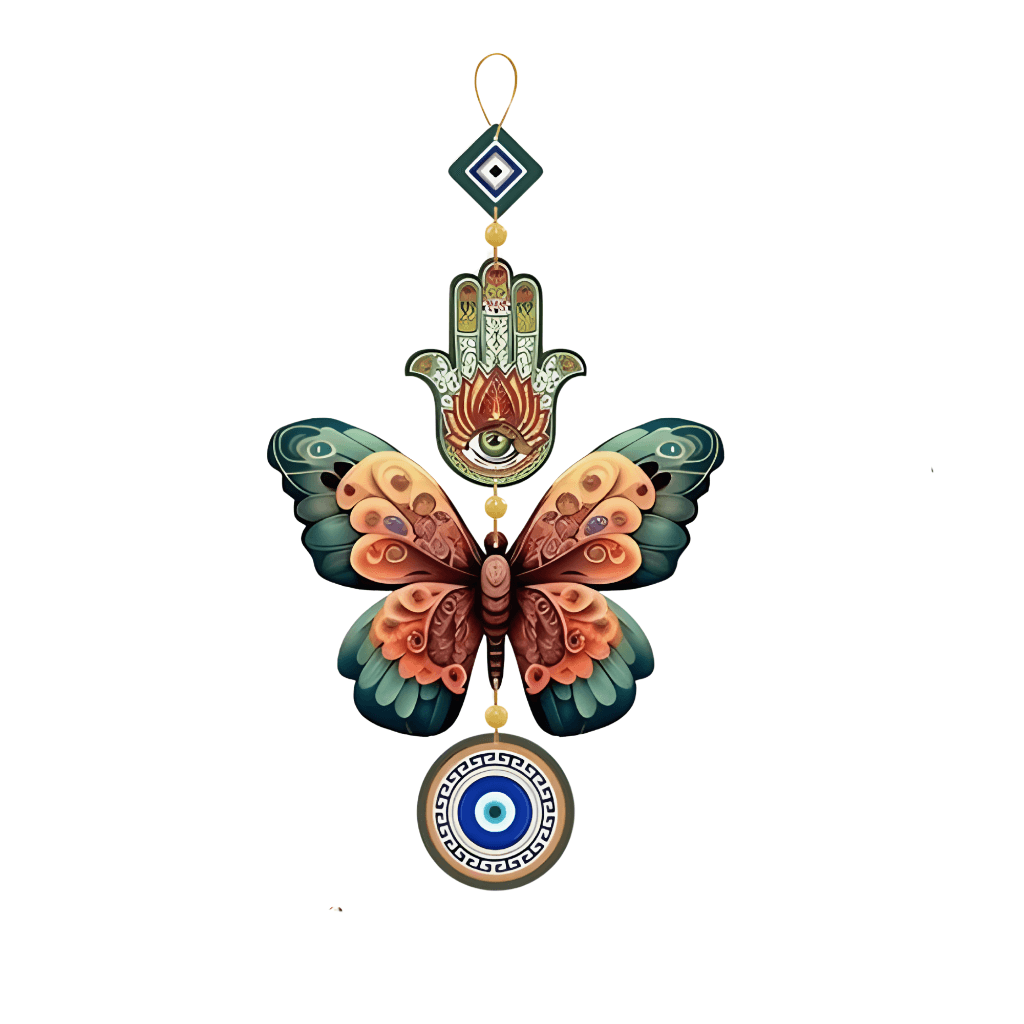
A welcome hanging or a small wall decor piece on the same wall makes the entrance look planned. Keep about 6 to 8 inches between the two pieces so the wall does not look crowded. If you have not bought a key holder yet, our guide on how to choose a key holder explains hooks, size, material and mounting.
Frequently asked questions
Which direction is best for a key holder as per Vastu?
The north or east wall near the entrance is the most common suggestion in Vastu tradition. Advice differs between practitioners, and none of it is a guarantee.
Can we keep a key holder in the pooja room?
Many families avoid it by custom. In practice too, the pooja room is rarely close to the main door.
Can a key holder be hung behind the main door?
Beside the door is better. Behind the door, the holder is hard to reach and the door can hit the keys.
Is a Krishna key holder good for the home?
Devotional designs such as Krishna are a popular choice near the entrance in many homes. It is a matter of faith and taste, not a promise of any result.
Should the key holder be inside or outside the house?
Always inside, and out of sight from the doorway. Keys that can be seen or reached from outside are a security risk.
Put safety and daily convenience first, then follow the Vastu direction if it matters to your family and your wall allows it. Browse the Bhintika key holders to find a design for that wall. Orders are prepaid only and are dispatched in 3 to 5 business days.